What Life Was Really Like in Regency-Era England
England’s Regency era was one of its most defining. During this time, Jane Austen published her first novels, bare-knuckle boxing was a favorite pastime, and young women carried around tiny portraits of the poet Lord Byron — the original teen heartthrob. The period, which spanned just nine years from 1811 to 1820, is named for its ruler, George Augustus Frederick, Prince of Wales (later King George IV), who was declared prince regent on February 5, 1811. The prince served as regent due to the illness of his father, George III (often referred to as the “Mad King”), before ascending to the throne in 1820 upon the king’s death.
The Regency era is undeniably popular in television and film, but contrary to what is portrayed in the hit Netflix series Bridgerton, life in England during this period went beyond the gossip of the “ton” (the British aristocracy), budding romances, and ornate ballroom parties. The period saw a flourishing of arts and literature and the start of the Industrial Revolution, all while being rocked by the Napoleonic Wars and the aftermath of American independence and the French Revolution. It was a time of great social strife, political changes, war, and technological advancements that permanently altered British society. Here is a snapshot of what life was like during the Regency era.
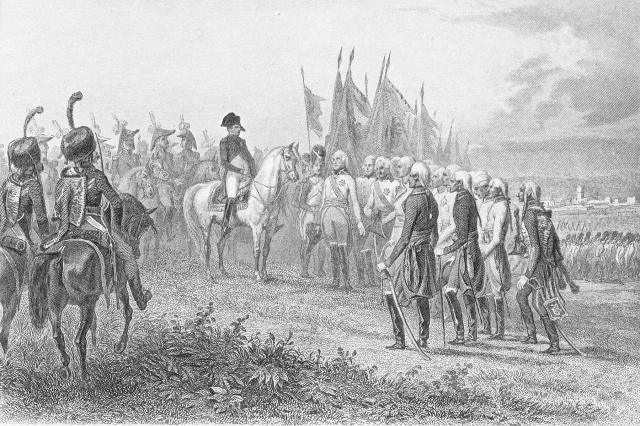
England Was Perpetually at War
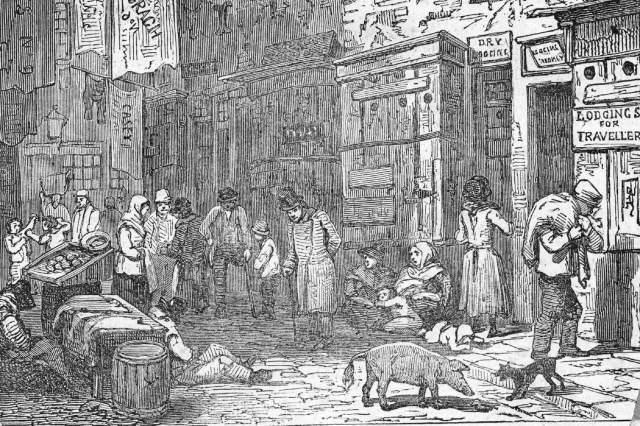
Wealth Inequality Was the Norm
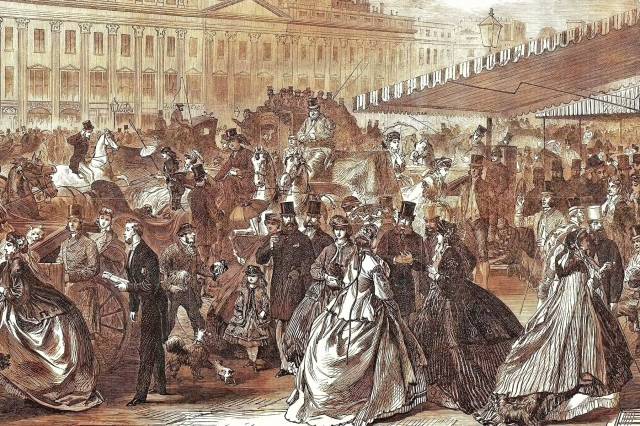
Upper-Class Society Revolved Around “the Season”
Dating Was Tricky Business
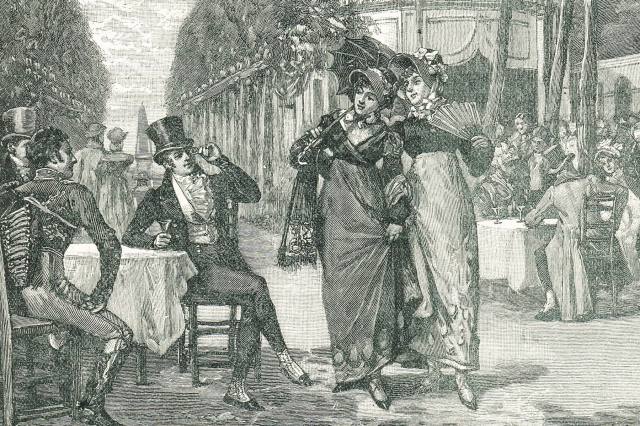
Regency-era aristocrats left little to fate when it came to love. During the season, young people were often coerced into advantageous relationships by their parents in hopes of gaining wealth, property, or status — even if that match was to a first cousin. Couples might court during afternoon tea, a walk in a garden, a concert, or a ball. Relationships were very public, and friends and family knew how the courtship was (or wasn’t) advancing.
Most importantly, the young couple could never be alone — a chaperone was always present. However, there is plenty of evidence from letters of the era that suggest young couples found ways to sneak off to steal a few minutes to themselves. (Some things never change.) Love letters became especially popular during the Regency era as reading and writing became commonplace, but even more special than a letter was the gift of a lock of hair.
The Beach Was a Favorite Pastime
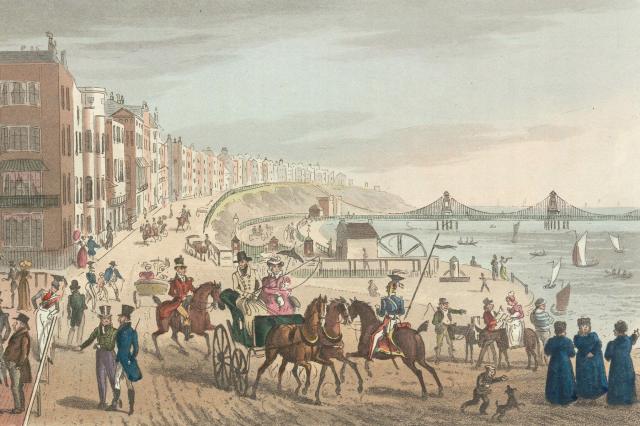
Wealthy Regency-era citizens were ballroom dancers by night and beachgoers by day, as sea-bathing — for recreational and medical purposes — became a favorite pastime in England. Its medicinal benefits were first explored in the early 18th century, and by the early 19th century, physicians were prescribing salt water soaks and seaweed rubdowns for any manner of illness. Because two of Brits’ favorite vacation destinations, France and Italy, were unreachable due to the Napoleonic Wars, many people turned to their local beaches for recreation, transforming small coastal towns into popular vacation destinations. Even Jane Austen was known to partake in the pursuit as she spent her summers at the shore, in the towns of Worthing, Dawlish, Sidmouth, and Lyme Regis (among others).
Regency-era beaches looked very different from modern beaches. It was deemed inappropriate for men to see women swimming, so “dippers” became a beachside staple. To swim in the ocean, women first entered “bathing machines” — essentially dressing rooms with wheels — which were pulled to the water’s edge by horses led by dippers. These dippers helped swimmers emerge through the back door, allowing them their dignity while enjoying the sea.


Comments
Post a Comment